why do my sourdough loaves sometimes rise in the fridge and other times don’t and how to correct this

Jan Schluter • June 4, 2026

why do my sourdough loaves sometimes rise in the fridge and other times don’t and how to correct this?
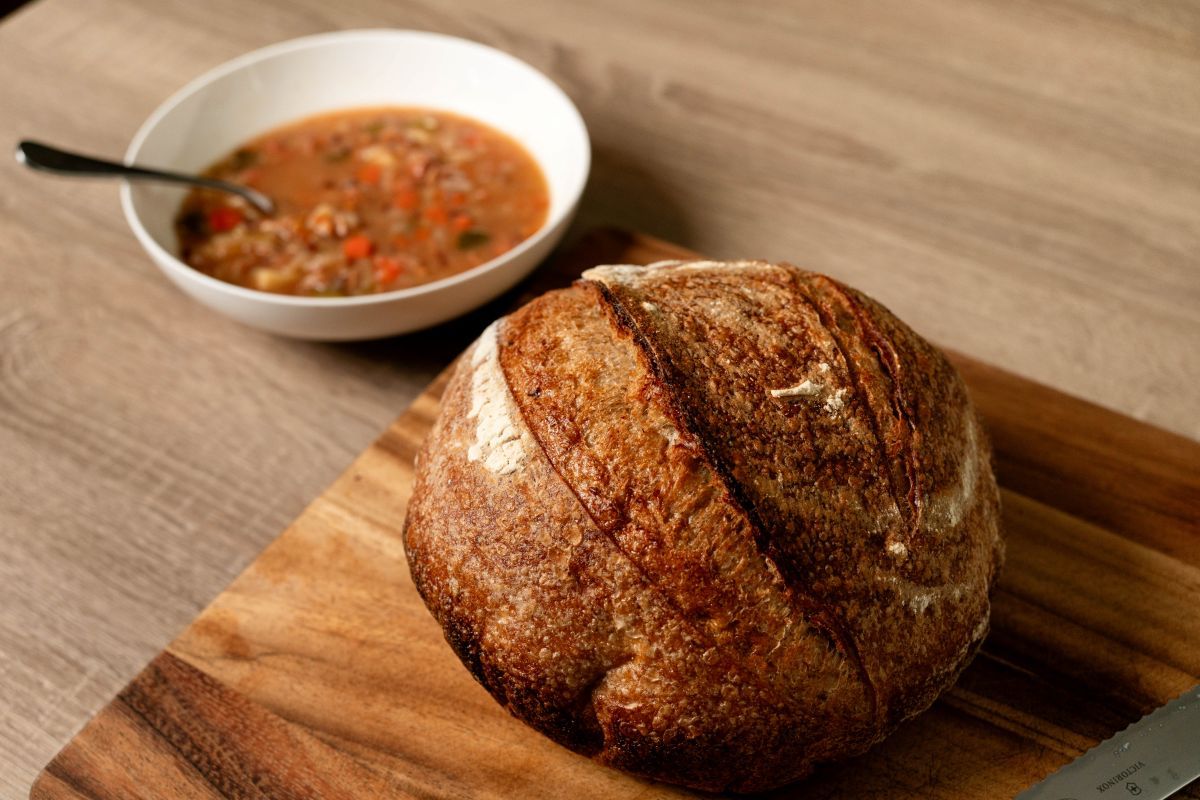
This is one of the most common sourdough frustrations because the fridge doesn't actually stop fermentation—it just slows it down. Whether your loaf continues to rise significantly in the fridge depends on several variables that can change from bake to bake.

Why some loaves rise in the fridge and others don't?

1. The dough temperature going into the fridge

This is usually the biggest factor.

  • If the dough is warm (24–28°C) when it enters the fridge, fermentation continues for several hours before the dough cools down.
  • If the dough is cool (20–22°C), fermentation slows much sooner and you may see almost no additional rise.

A loaf entering the fridge at 27°C can easily gain 20–50% more volume overnight compared with one entering at 21°C.

Correction: Measure dough temperature at the end of bulk fermentation and aim for consistency every bake.


2. How far bulk fermentation progressed

If you under-ferment bulk:

  • The loaf may continue rising substantially in the fridge.

If you fully ferment bulk:

  • The loaf may appear almost unchanged in the fridge because most of the gas production already occurred.

Many bakers accidentally use the fridge as part of bulk fermentation on some bakes and as purely a cold retard on others.

Correction: End bulk at a consistent level of expansion (for example 40–60% increase for many white sourdoughs, depending on dough strength and temperature).


3. Your fridge temperature varies

Many home fridges fluctuate between 2°C and 8°C depending on:

  • Shelf location
  • Door openings
  • Load of food
  • Defrost cycles

A dough at 7–8°C will continue fermenting much more than one at 3–4°C.

How to correct this:

  • Place a thermometer where the dough sits.
  • Aim for 3–5°C.
  • Use the back of the fridge rather than the door.


4. Starter strength and inoculation percentage

If one dough contains:

  • 15% starter

and another contains:

  • 25% starter

the second will often keep fermenting more aggressively during the first hours of refrigeration.

Similarly, a very active starter can create more fridge rise than a sluggish one.

How to correct this: Keep inoculation and starter maturity consistent.


5. Dough composition

Higher:

  • Hydration
  • Whole grain content
  • Rye percentage

usually means faster fermentation.

A 20% whole wheat loaf may continue rising in the fridge while a white loaf made with the same schedule barely moves.


How to decide what you actually want

If you want the loaf to rise noticeably in the fridge

  • End bulk slightly earlier.
  • Put the dough into the fridge a little warmer.
  • Use a slightly higher levain percentage.
  • Keep fridge temperature around 4–5°C.

If you want almost no rise in the fridge

  • Complete bulk fermentation before shaping.
  • Chill the dough quickly.
  • Use a colder fridge (2–3°C).
  • Avoid leaving shaped loaves on the counter before refrigeration.


A simple diagnostic

On your next bake, write down:

  1. Dough temperature at end of bulk.
  2. Percentage rise during bulk.
  3. Fridge temperature.
  4. How much the dough expands overnight.

After 2–3 bakes you'll usually find one variable is driving the inconsistency.

For example, many home bakers discover that a loaf that rises a lot in the fridge was actually shaped at 27°C after a long warm bulk, whereas the loaf that didn't rise was shaped at 22°C and cooled much faster.


Fingers crossed this sheds a bit of light for you all :)


Jan and Eric


Ancient Grains - Sourdough Starter Rehydration and Recipe

Einkorn Banana Loaf
By Jan Schluter May 11, 2026
Discover the best easy einkorn banana bread! Moist, tender, and made with wholesome ancient grain flour. This one-bowl recipe is quick, delicious, and a healthier way to enjoy a classic comfort food.
By Jan Schluter February 28, 2026
GLUTEN FREE BLACK BUCKWHEAT PANCAKES - (OR NOT GLUTEN FREE)
sourdough bread basic bread
By Jan Schluter January 14, 2026
Sourdough and Basic Bread making workshops
Teff  Pita bread
By Jan Schluter October 24, 2025
Gluten Free Teff Pita Bread
By Jan Schluter October 24, 2025
Black Buckwheat & Millet Loaf
By Jan Schluter October 24, 2025
Black Buckwheat & Millet Loaf
h
By Jan Schluter October 16, 2025
A brief explanation on some of OUR HERITAGE grains
Organic gluten free oat bread
By Jan Schluter August 8, 2025
Quick Easy fluffy Organic Oat Bread - this bread is easy soft and fluffy
soft cheesy focaccia with olives and sundried tomatos
By Jan Schluter August 8, 2025
FOCACCIA
Apple focaccia
By Jan Schluter August 8, 2025
Apple cinnamon focaccia
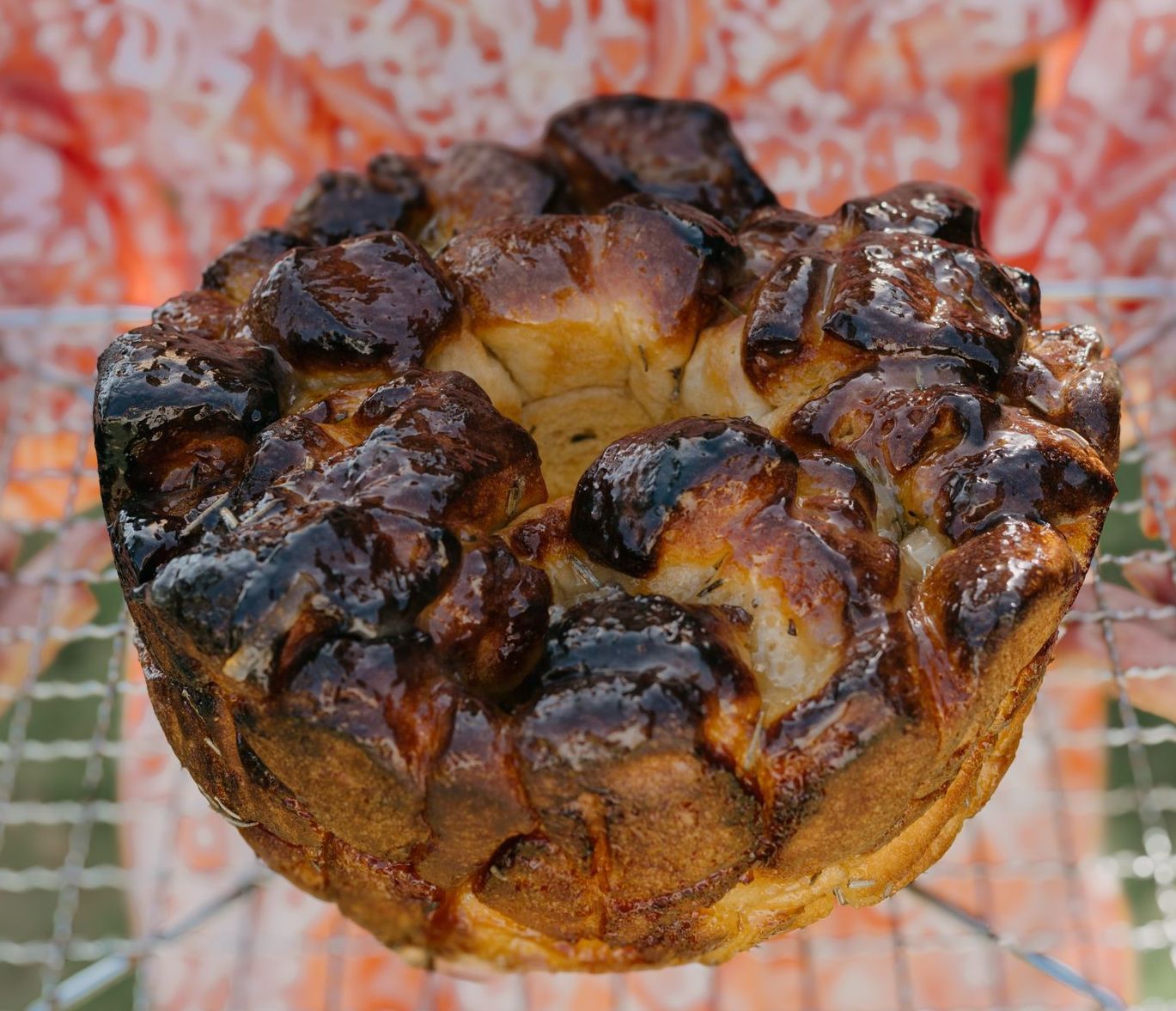
ROSEMARY, GARLIC & ORANGE PULL APART BRIOCHE WITH BAKED CAMEMBERT
By Jan Schluter August 8, 2025
BUTTERY ROSEMARY GARLIC AND ORANGE PULL APART BRIOCHE BREAD WITH BAKED CAMEMBERT
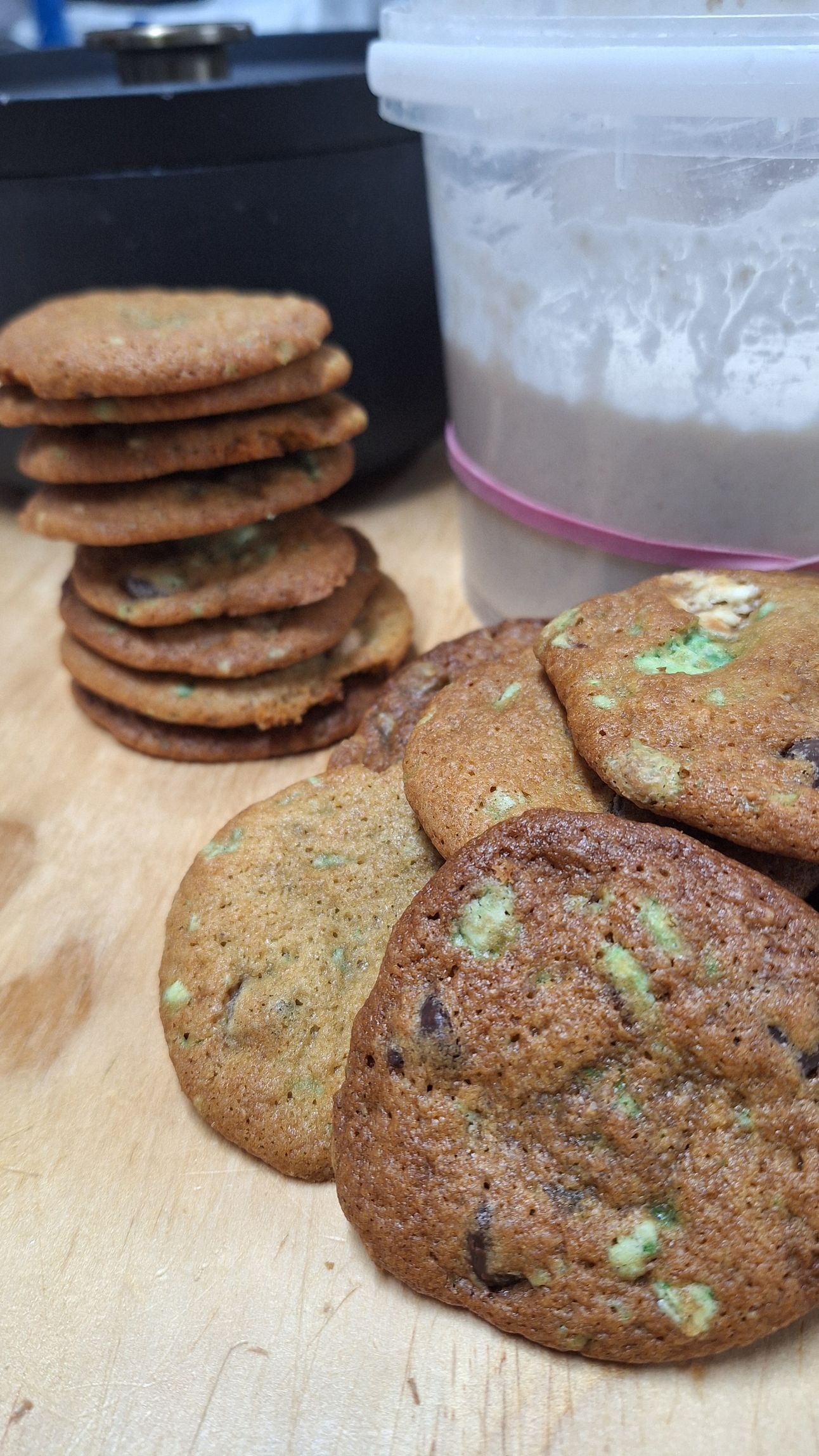
Sourdough Chocolate chip cookies
By Jan Schluter August 8, 2025
Sourdough chocolate chip cookie recipe
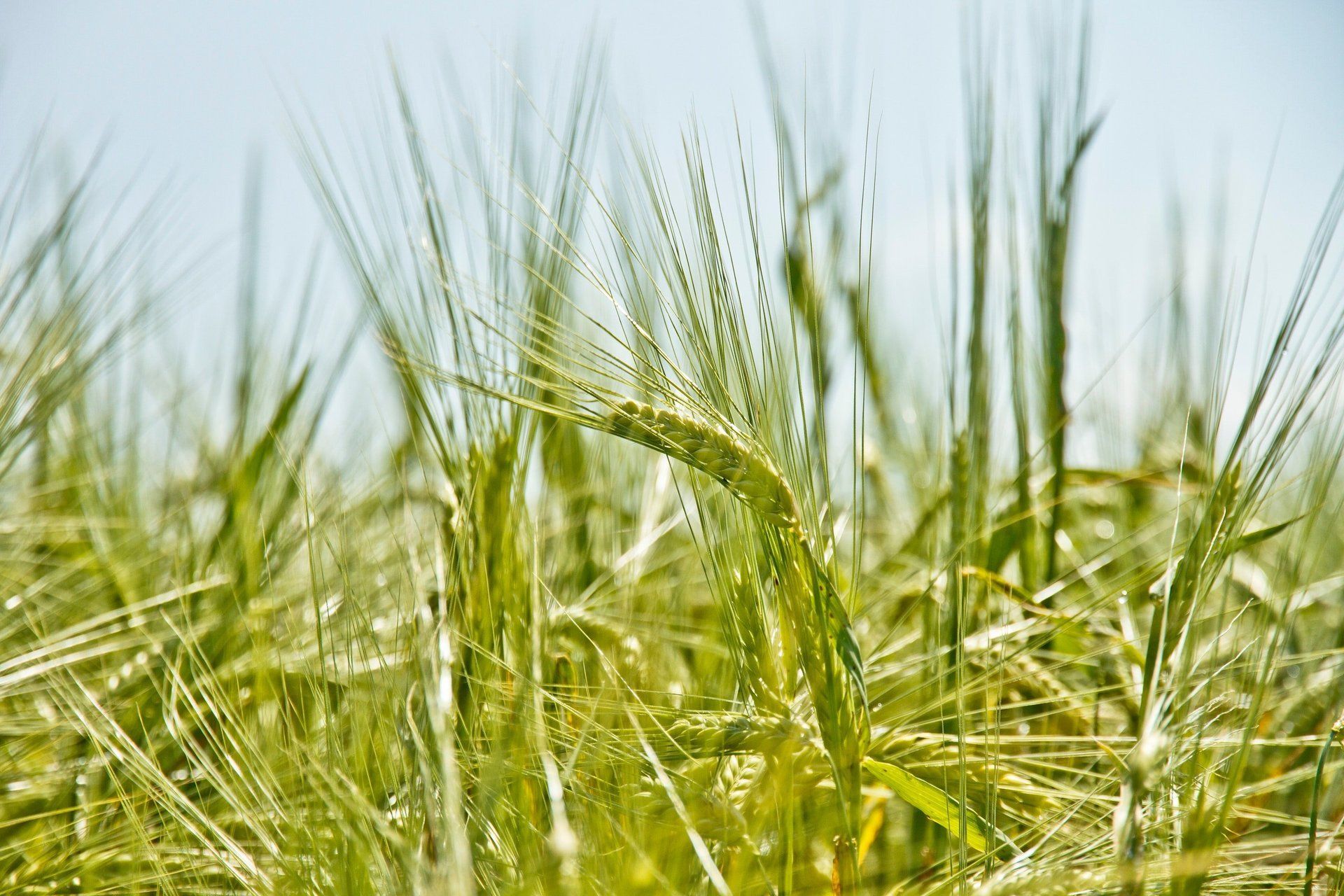
Grain growing in field
By Jan Schluter March 6, 2025
A brief description and explanation of Ancient Grains and how they perform in bread
Sourdough Bread
By Jan March 6, 2025
The Sourdough process from Start (er) to Finish
By Jan Schluter February 20, 2025
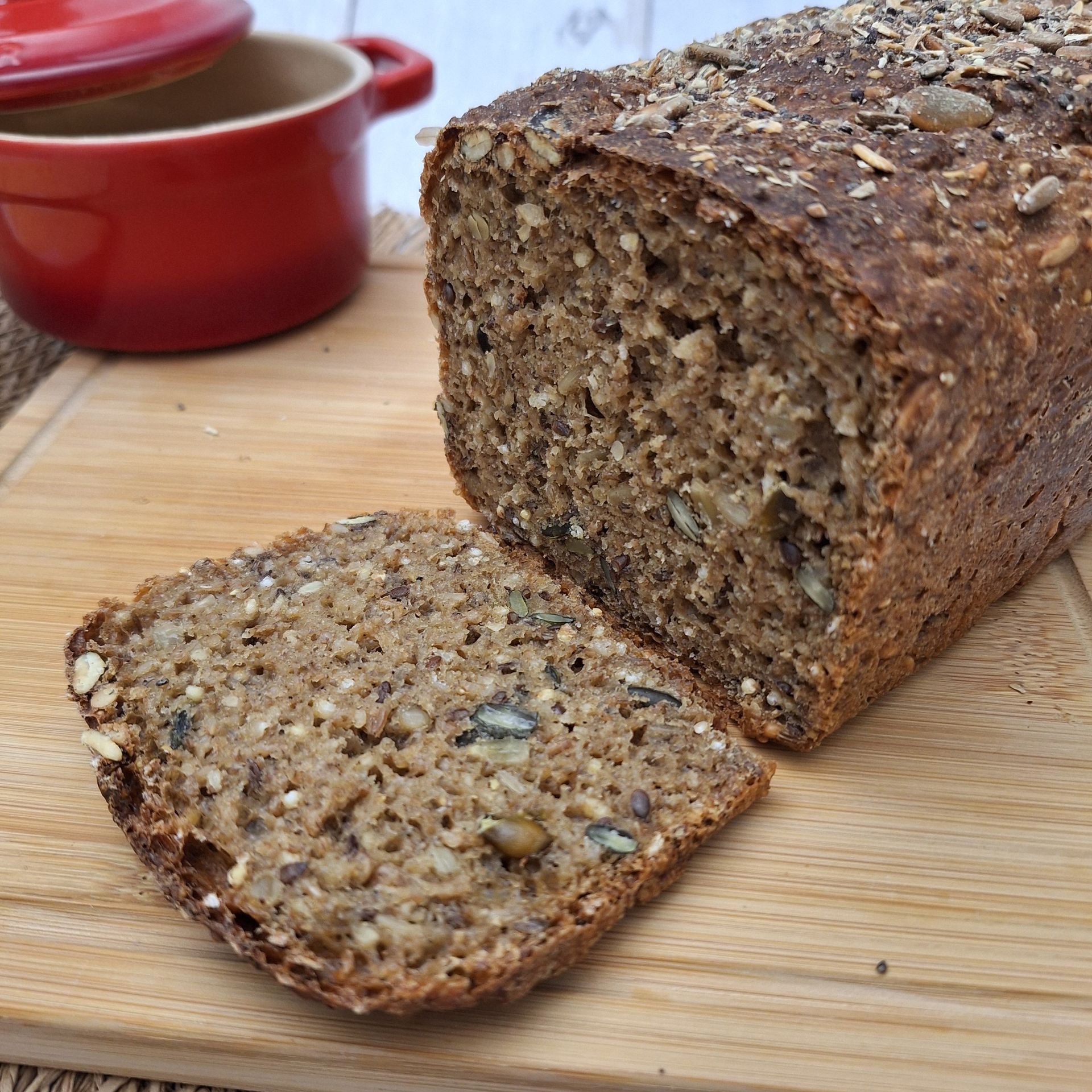
MOIST HEARTY GRAIN LOAF
soft fluffy tortilla
By Jan Schluter February 20, 2025
Delightfully soft fluffy flour tortilla the family will adore!
Soft and Fluffy garlic and herb bread festive wreath on blue round plate
By Jan Schluter November 28, 2024
Soft and Fluffy garlic and herb bread festive wreath on blue round plate
nuts and dried fruit in a dish
By Jan Schluter September 24, 2024
PUmpkin seed and nut bars
soft wholemeal loaf with knob of buttter on slice
By Helium Marketing August 28, 2024
Wholemeal bread recipe from scratch
blueberry loaf with white icing and lemon
By Jan Schluter August 27, 2024
blueberry loaf with white icing and lemon
melting moment biscuits sandwiched together with gluten free flour product bag in background
By Jan Schluter May 30, 2024
GLUTEN FREE MELTING MOMENTS
dough in tin
By Jan Schluter May 21, 2024
the most frustrating part of sourdough baking.... when is bulk fermentation complete?
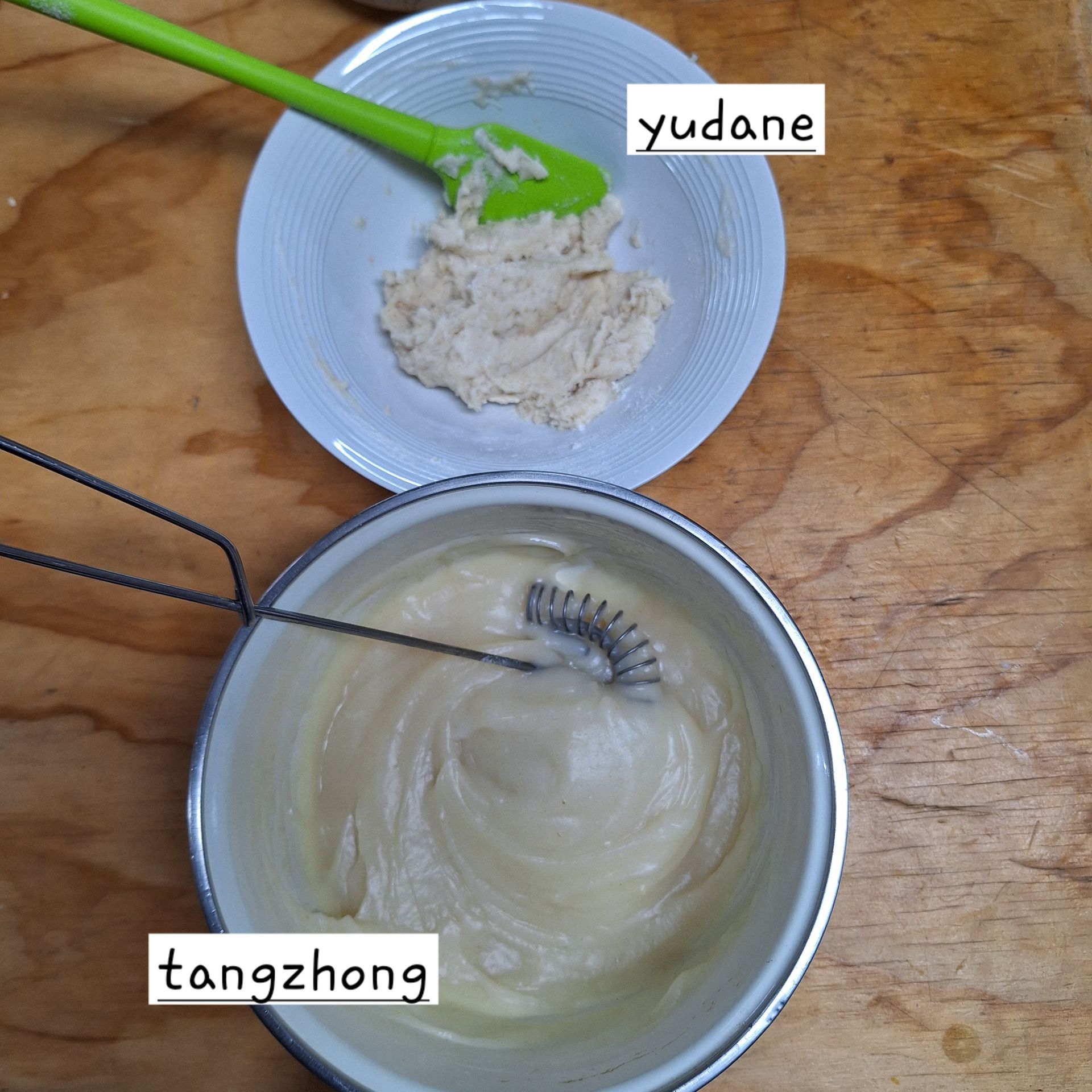
photo showing the difference between a  tangzhong and Yudane
By Jan Schluter May 21, 2024
A bowl of tangzhong is like a roux, thick paste. A Yudane is a stiff ball of scorched flour
two types of sourdough bread North African
By Jan Schluter April 5, 2024
Recipe explaining how to bake the North African and Chilli bread mixes
Hot cross buns, soft fluffy
By Jan Schluter March 13, 2024
Soft fluffy hot cross buns filled with dried fruit and packed with flavour
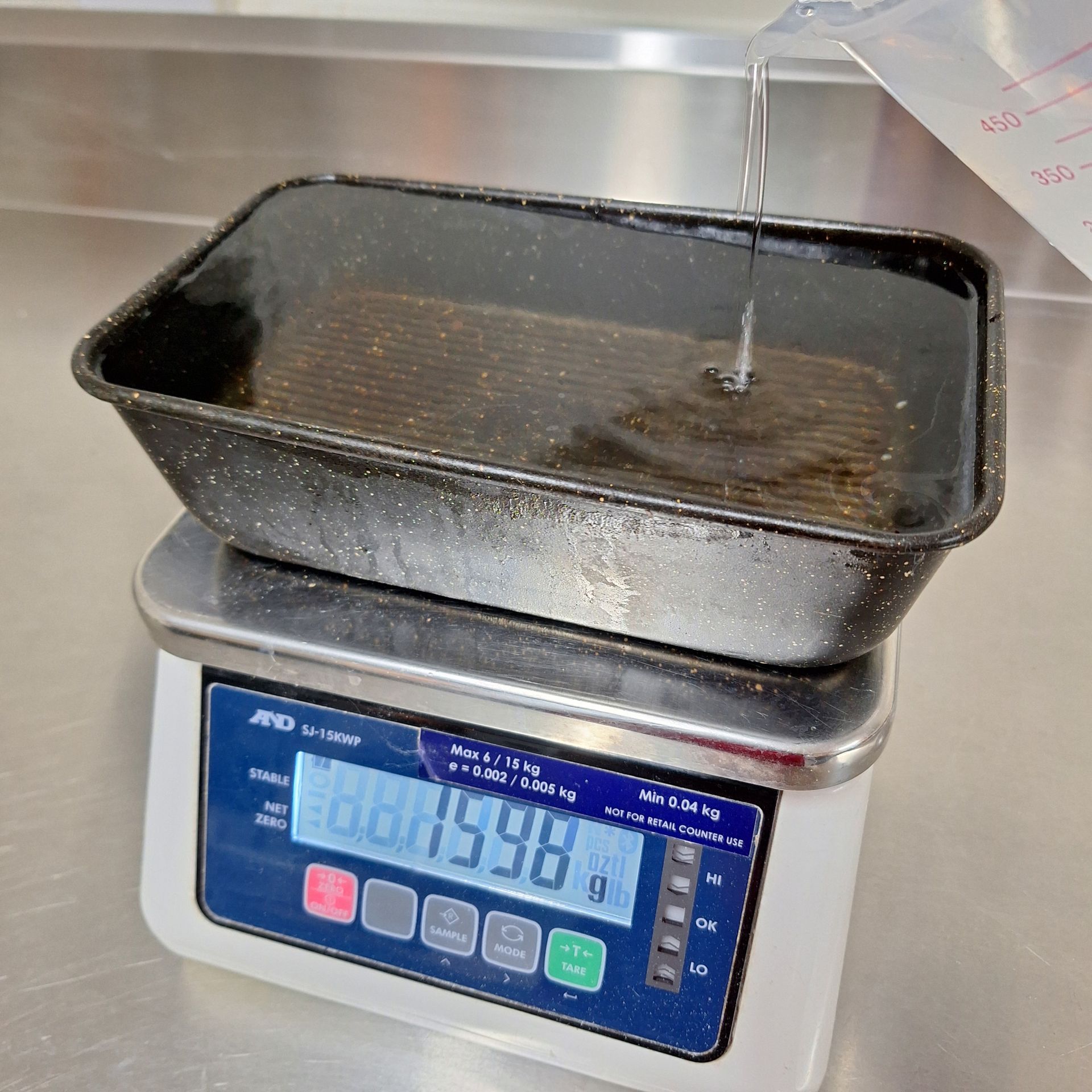
weighing tin with water to calculate loaf tin capacity for dough
By Jan Schluter March 8, 2024
How to calculate the loaf tin capacity for bread dough
Gluten Free Banana Bread Mix - The best Ever!
By Jan February 6, 2024
This Gluten Free Banana bread mix is versatile and tastes devine - use overripe bananas for the best flavour
Lamingtons, light sponge coated in decident chocolate and coconut
By Jan Schluter January 23, 2024
Lamingtons baked from scratch - light sponge coated in chocolate and coconut
German Rogbrot or Rye Bread
By Jan Schluter October 27, 2023
Wholesome wholegrain rye bread made with cracked rye, sunflower seeds and caraway
Stacked Sourdough loaves
By Jan Schluter October 16, 2023
Explaining what diastatic Malt is and how to use it in your bread making process, to use or not to use.
Baguettes
By Jan Schluter December 7, 2022
An unbelievably flavourful Baguette is produced from this recipe and it enables you to make baguettes daily.
Wholemeal Bread; Bread
By Jan Schluter December 1, 2022
WHOLE RYE & PURPLE WHOLEWHEAT BREAD WITH ANCIENT GRAIN SOAKER This is a beautifully moist wholesome loaf of bread you will fall in love with!!
ciabatta bread held up sliced
By Jan Schluter October 17, 2022
INGREDIENTS: 8g Risen Flour's dried instant yeast 200g Risen Flour's Durum Semolina 400g Risen Flour's pizza Milano flour (or strong white bread flour) 480g water 11g Salt METHOD Place yeast, 400g flour, 200g semolina , 450g water and 11g salt in an electric mixer. Beat on medium-high speed until just combined and slowly add more water a little at a time and allow to absorb before adding more water. Check the dough and if its not absorbing any more water discard the balance of the water, otherwise add the rest slowly. Mix until full gluten development has been reached - about 25 min in a domestic mixer scraping it off the hook as it creeps up. The dough will be a wet and sticky. Do the window pane test - with wet hands pull the dough apart and it should stretch and become transparent with a clean smooth membrane. You should be able to stretch the dough for around 10cm before it breaks. (dough will be quite wet). With wet hands transfer to a greased bowl cover with a clean tea towel and set aside at room temperature for 1-1.5hrs during this time do 2 sets of stretch and folds 30min apart. ( a stretch and fold is taking one edge of the dough and lift it up and fold it over to the middle, then repeat with the other sides ), OR until doubled in size ( In warmer tempretures it may take less time so keep an eye on it). It should be wobbly and bubbly. Once its rested place the dough gently on your baking tray that has been heavly floured (you can use baking paper too) - cut into shape sprinkle the top generously with flour on top and allow to proof for 30 - 45min more at room temp covered. Preheat oven to fan forced 240°C. Place a saucepan on the bottom of the oven with a rack above it. Bake for 25-30 minutes until bread is risen, golden and bottom sounds hollow when tapped. Cool on a wire rack for 1 hour. Enjoy - if you have any questions please drop me an email or give us a call. Jan